
A wallet's job has widened. People expect to reach onchain apps and spend what they hold, without switching between products to do either. WalletConnect Certified Season 3 is built around that shift, and it starts with a new group of wallets meeting a higher bar.
Here's what's new in WalletConnect Certified Season 3, which wallets just got certified, exactly how the new criteria work, and why the season's standard makes paying with a wallet simpler than it's ever been.
What's new in WalletConnect Certified Season 3
Every certification season raises the standard a wallet has to meet to earn and keep its WalletConnect Certified badge. Season 3 is built around one primary criterion: native WalletConnect Pay integration.
Wallets already connected through the WalletConnect SDK for Wallets support WalletConnect Pay through a fallback flow, which works but takes a few more steps. Launched in January 2026, Season 3 asks certified wallets to upgrade to native support, so users get a payment experience that matches how simple paying should feel.
WalletConnect Certified Season 3 is still open for applications now and and will run until the end of 2026. Certification builds progressively rather than resetting each round, so wallets must have already passed Season 1 and Season 2 criteria to be eligible.
Meet the newly WalletConnect Certified wallets
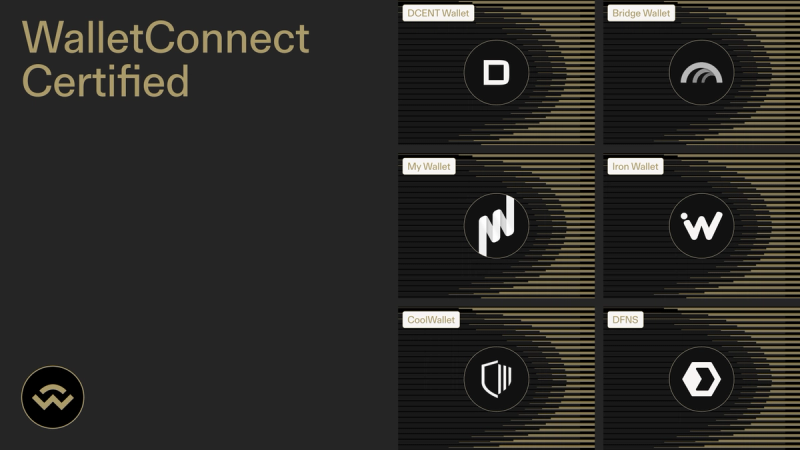
Seven wallets have met the Season 3 standard since its launch: SafePal, TokenPocket, DCENT, My Wallet, Bridge by Mt Pelerin, IronWallet, and CoolWallet.
Now, these leading wallets can connect to 80,000+ apps across all major blockchains through the WalletConnect SDK for Wallets, so their users can manage and grow their assets without those assets leaving custody. But as part of the season 3 requirements they also unlocked online and in-store payments via integrating WalletConnect Pay.
Certification is the sign-off on both. It confirms that connecting to the network and paying through it both work the way they're supposed to.
WalletConnect Certified Season 3 criteria, explained
Season 3 certification is tested across two scanning methods, since users reach a payment two different ways depending on their wallet and habits:
- Wallet QR Scanner: the wallet's own built-in QR scanner, which recognizes a WalletConnect Pay payment natively.
- Device Camera: the phone's default camera app, which opens the payment gateway through a URL instead.
Criterion 1: Native WalletConnect Pay integration
This is the primary criterion for Season 3, and the one that delivers the best experience for users while unlocking interchange-like revenue for wallets. To pass, a wallet needs to support one-click payment through both scanning methods:
- Scanning a merchant QR code with the wallet's built-in scanner should let a user approve the payment in one or two steps, depending on the tokens they hold.
- Scanning the same code with the device camera should open the WalletConnect Pay gateway and let the user approve from there.
Criterion 2: Fallback flow
Any wallet that already supports WalletConnect sessions should have this working without further changes. Regardless of which scanning method a user starts with, they land on the payment gateway, connect their wallet through WalletConnect, and complete the payment.
The fallback flow isn't going away. It's what keeps users covered during a staged rollout of native Pay, and certification confirms it functions correctly even as wallets upgrade around it.
Payments made simple: native WalletConnect Pay vs. the fallback flow
The difference between the fallback flow and native WalletConnect Pay comes down to steps, and Season 3 exists to close that gap.
With the fallback flow, a user scanning a merchant QR code lands on the payment gateway, connects their wallet, and completes the payment across several steps. It works, and it's the flow every wallet already connected through WalletConnect can rely on. But it asks more of the user than paying should.
With native WalletConnect Pay, the wallet recognizes the payment intent directly. A user scanning with the wallet's own QR scanner approves in one or two steps. A user scanning with their device camera lands on the payment gateway and approves from there. Either way, paying with a wallet starts to feel as simple as it should: scan, approve, done.
There's a compliance step built into this too, and it only happens once. The first time a user pays, they complete a one-time information capture: name, date of birth, and terms acceptance, required under Travel Rule regulations. WalletConnect hosts and stores that information, not the wallet, and reuses it for every payment after. Every payment beyond the first one skips straight to approval.
Why WalletConnect Pay works for wallets and users
Native integration changes the equation for both sides of a payment.
For wallets:
- Interchange-like revenue on every transaction, which the fallback flow doesn't carry
- One integration for immediate reach across merchants accepting WalletConnect Pay
- Full control over UX and branding throughout the payment
- No new compliance infrastructure to build or maintain
- Works alongside whatever payment options a wallet's users already have
For users:
- Pay with the wallet they already hold and trust
- Available whether or not they've completed KYC elsewhere
- Information for payment compliance is collected once and reused automatically
- No user fees, and no gas required where it can be sponsored
WalletConnect Pay is designed to sit alongside a wallet's existing payment options rather than replace them, capturing incremental spend rather than competing with what's already working.
Why this matters on the WalletConnect network
WalletConnect connects 900M+ users, 700+ wallets, and 80,000+ apps across all major blockchains, with $400B+ in network transaction volume in 2025 alone. Every certification season is how that network keeps its standard current as what a wallet is expected to do keeps expanding. Season 3's standard reflects where user expectations already are: connect to the apps you want, and pay with what you hold, both without friction.
For wallets, upgrading to native WalletConnect Pay is roughly two weeks of engineering effort, set against a payment experience that goes from several steps down to one.
How to join WalletConnect Certified
To join WalletConnect certified, you must pass all of the requirements in previous seasons; ensuring you meet the same standards as already-certified wallets.
Wallets integrating the full WalletConnect SDK can run a self-serve QA checklist to validate their integration before submitting for certification review, which helps catch gaps before the formal review starts rather than during it.
To get started, apply through the application form.
FAQ
What is WalletConnect Certified Season 3?
Season 3 is the current stage of the WalletConnect Certified program. Its primary standard is native WalletConnect Pay integration, upgrading certified wallets from a multi-step fallback payment flow to a one-click native experience.
Which wallets are newly WalletConnect Certified?
SafePal, TokenPocket, DCENT, My Wallet, Bridge by Mt Pelerin, IronWallet, and CoolWallet have all met the Season 3 standard, connecting their users to 80,000+ apps and enabling merchant payments through WalletConnect Pay.
What's the difference between the fallback flow and native WalletConnect Pay?
The fallback flow takes a user through connecting their wallet and approving a payment across several steps. Native WalletConnect Pay lets the wallet recognize the payment directly, so users approve in one or two steps instead.
Do wallets need to pass every previous season to reach Season 3?
Yes. A wallet needs to meet all previous criteria and the current season’s criteria to ensure it can keep up with other Certified wallets.
How is native WalletConnect Pay tested during certification?
Across two scanning methods: the wallet's own built-in QR scanner, which should trigger native Pay directly, and the device's default camera, which should open the WalletConnect Pay gateway.
Does native WalletConnect Pay change how compliance data is collected?
No. The one-time information capture required under Travel Rule regulations works the same way regardless of flow. It's completed once, hosted and stored by WalletConnect, and reused automatically for every payment after.
How long does it take a wallet to upgrade to native WalletConnect Pay?
Roughly two weeks of engineering effort, according to WalletConnect's own certification documentation, plus a QA pass with the WalletConnect team before certification is confirmed.
Does WalletConnect Pay replace a wallet's existing payment options?
No. It's designed to work alongside whatever payment methods a wallet's users already rely on, adding stablecoin and crypto payments as an option rather than replacing anything already in place.
Ready to see if your wallet meets the Season 3 standard? Apply to join the WalletConnect Certified program.