
Crypto payments let anyone send or receive money using digital currencies like USDC or USDT. Unlike traditional payments, they move directly between wallets, no banks, no borders, no cut-off times.
Most people ask: What are crypto payments, and how do they actually work in practice?
This guide explains what crypto payments are, how they work, and why they matter for modern digital commerce.
We’ll cover the basics of crypto and stablecoin payments, how wallets enable checkout, how crypto payments compare to traditional payment methods, and where they are being used today. We’ll also look at the benefits and challenges for users, merchants, and payment service providers, and explain the role of standardized wallet connectivity in making crypto payments usable at scale.
Whether you’re a consumer trying to understand how crypto payments work, a business exploring new payment options, or a PSP evaluating emerging payment rails, this guide provides a clear, practical overview of crypto payments in today’s global economy.
What Are Crypto Payments?
A crypto payment is a transaction where value moves directly from a user’s wallet to a merchant or another person, using digital currencies instead of traditional money.
In simple terms, crypto payments let people pay or get paid using cryptocurrencies or stablecoins, rather than credit cards or bank transfers. These payments run on global digital payment networks and are often made using stablecoins, which are designed to maintain a steady value.
For consumers, crypto payments offer new ways to pay online or in-store.
For merchants, they provide faster settlement and access to global customers.
For developers and PSPs, they represent modern payment rails that work across borders and platforms.
Instead of using fiat currencies like USD, EUR, or GBP, crypto payments use digital assets such as Bitcoin or Ethereum, or stablecoins like USDC and USDT, which are commonly used for everyday payments.
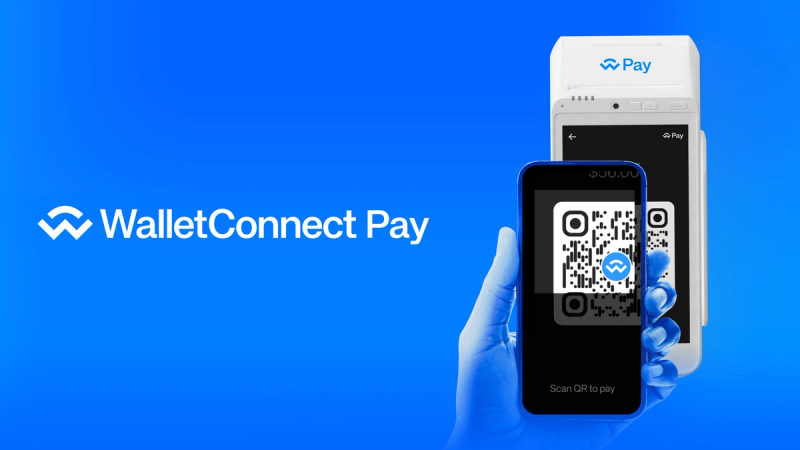
Making a crypto payment can be as simple as scanning a QR code at checkout and confirming the payment in a wallet. Unlike card payments, which rely on banks and multiple intermediaries, crypto payments move value directly between wallets, with settlement handled by the underlying payment network.
Simple Definition of Crypto Payments
Crypto payments are digital payments made using cryptocurrencies or stablecoins, sent directly from a user’s wallet to a merchant or service provider.
They can be used to:
- Pay for goods and services
- Send money globally
- Accept payments online or in-store
In practice, most real-world crypto payments today use stablecoin payments like USDC or USDT because they behave more like traditional money.
The benefits are its cheaper as it goes through fewer intermediaries, so merchants can keep more of their money, and crypto payments are faster.
With crypto and stablecoins, settlement can happen the same day, the same hour, sometimes the same minute.
How Crypto Payments Work
At a high level, crypto payments follow a simple flow:
Wallets
A wallet is where users hold and send funds. It acts like a payment app, but the user controls it directly.
Payment networks
Transactions move over global blockchain payment networks that run 24/7.
Signing and confirmation
The user approves the payment in their wallet. The transaction is verified and confirmed by the network.
Settlement
Funds settle directly to the recipient, often within seconds. There is no waiting for bank cut-off times.
This flow supports instant crypto payments and cross-border crypto payments without relying on multiple intermediaries.
What Is a Crypto Payment In Real Life?
A crypto payment is a single transaction where value moves from one wallet to another.
It is important to separate:
- Sending crypto, initiated by a user
- Accepting crypto, enabled by merchants and PSPs
Roles in a Crypto Payment
Users
Initiate payments using a wallet.
Merchants
Accept crypto payments for goods or services.
PSPs and payment providers
Help merchants integrate crypto checkout, manage conversion, reporting, and compliance.
Wallet connectivity layers
Provide secure, standardized connections between wallets and merchant checkout experiences, such as WalletConnect.
Cards vs Stablecoin Volume
Card networks like Visa and Mastercard still dominate consumer payments by volume. At the same time, stablecoin payment volumes now process trillions of dollars annually, largely driven by global transfers, commerce, and settlement use cases.
This shift highlights why stablecoins are becoming a serious payment method rather than a niche alternative.
What Are Stablecoins?
A stablecoin is a digital currency designed to maintain a stable value, usually pegged to a fiat currency like the US dollar, Euro, or Japanese Yen.
Examples include:
- USD-pegged stablecoins such as USDC or USDT
- EUR-pegged stablecoins such as EURC
- JPY-pegged stablecoins such as JPYC
They are typically backed by reserves and issued by regulated or regulated-seeking entities.
In recent years, new stablecoins have been launched by established financial and payments companies, including PayPal (With PYUSD), showing growing mainstream adoption.
Why Stablecoins Are Commonly Used for Crypto Payments
Stablecoins are widely used for crypto payments because they offer:
- Price stability, avoiding volatility
- Faster settlement, compared to traditional rails
- Familiar units, like USD or EUR
For merchants, stablecoin payments feel closer to traditional digital payments, just with faster settlement and global reach.
What Is USDC?
USDC is a widely used US dollar-pegged stablecoin. It is commonly used for:
- E-commerce payments
- Cross-border transfers
- Merchant settlement
USDC payments are popular because of transparency standards and broad ecosystem support.
What Is USDT?
USDT is another major US dollar-pegged stablecoin with strong global adoption, especially in international payments and remittances.
It is widely supported across wallets, exchanges, and payment platforms.
What Is the GENIUS Act?
The GENIUS Act is a proposed US framework focused on stablecoin regulation and consumer protection. Its goal is to clarify how stablecoins can be issued and used responsibly.
Regulatory efforts like this reflect the growing role of stablecoins in mainstream payments.
Crypto Payments vs Credit Cards
Settlement speed
Crypto payments often settle in minutes. Card settlement can take days.
Fees
Crypto payment fees are often lower and more predictable.
Custody and control
Users authorize payments directly from their wallet.
Crypto Payments vs Bank Transfers
Cross-border access
Crypto payments work globally without local banking relationships.
Availability
They run 24/7, including weekends and holidays.
Intermediaries
Fewer intermediaries mean simpler payment flows.
Key Benefits of Crypto Payments
- Global and borderless
- Faster settlement
- Reduced intermediaries
- User ownership and control
- Programmable payment flows
Benefits for Businesses
- Access to global users
- Faster settlement and cash flow
- Lower operational friction
- Support for new digital business models
Benefits for Users
- Direct control through wallets
- Fewer geographic restrictions
- Seamless digital checkout experiences
Benefits for PSPs
- Modern payment rails
- New merchant segments
- Stablecoin-based settlement options
- Wallet-native checkout experiences
What Are the Risks and Challenges of Crypto Payments?
Common challenges include:
- Price volatility for non-stable assets
- User experience complexity
- Regulatory uncertainty
- Security responsibility for users
These are increasingly being addressed through better UX, stablecoin adoption, clearer regulation, and standardized wallet connectivity.
Are Crypto Payments Legal?
Crypto payment legality varies by jurisdiction.
In many regions:
- Owning crypto is legal
- Using crypto for payments is permitted under certain rules
Businesses typically work with regulated PSPs and payment providers to ensure compliance.
This content is informational and not legal advice.
Where Are Crypto Payments Used Today?
Crypto payments are already used across:
- Online commerce and checkout
- Gaming and digital goods
- Subscriptions and services
- Cross-border payments and remittances
They are becoming part of everyday digital commerce.
How Do Wallets Enable Crypto Payments?
Wallets are the primary interface for crypto payments.
They:
- Store funds securely
- Allow users to approve payments
- Connect users to merchant checkout
Standardized wallet connectivity is critical for scale. Interoperability allows merchants to support many wallets without custom integrations, improving checkout conversion and trust.
Crypto Payments in the Economy
Crypto payments enable:
- Embedded payments in apps
- Programmable money flows
- Internet-native commerce
Rather than a trend, crypto payments function as a global payment infrastructure that supports modern digital business models.
What Is WalletConnect Pay?
WalletConnect Pay is a complete, end-to-end crypto payment solution that allows PSPs and merchants to accept crypto payments from any wallet and any asset through a single, familiar integration.
For PSPs.
WalletConnect Pay fits directly into existing PSP payment stacks, behaving like a familiar payment method rather than a bespoke crypto integration. It allows PSPs to offer crypto payments confidently, without taking on new technical, operational, or compliance complexity.
For merchants
Merchants experience WalletConnect Pay as a payment method that they can enable through their PSP. It gives customers a modern way to pay while maintaining the reliability, reconciliation, and operational predictability they expect.
For end users
End users pay with the crypto wallet they already trust, without needing to think about networks, assets, or payment mechanics. The experience is simple, familiar, and works wherever WalletConnect Pay is accepted. WalletConnect Pay also creates opportunities for user incentives, such as cashback or rewards, giving users a clear reason to choose their wallet when paying.
For wallets and partners
Wallets integrate WalletConnect Pay to extend their users’ ability to pay in real-world contexts. Wallets retain custody and control of the user experience, while WalletConnect Pay ensures compatibility with PSP payment systems behind the scenes.
Are Crypto Payments Instant?
Many crypto payments settle within seconds, depending on the network and asset used.
Can You Get a Refund With Crypto Payments?
Refunds are possible but typically handled as a new transaction rather than a chargeback.
Do Crypto Payments Require a Bank?
No. Users pay directly from a wallet, though merchants may convert funds to fiat if needed.
Are Crypto Payments Safe?
Crypto payments are secure when best practices are followed, including trusted wallets and providers.
What Is the Difference Between Crypto Payments and Stablecoin Payments?
Stablecoin payments use assets designed to maintain a fixed value, making them more suitable for everyday commerce.
Final Summary: What Are Crypto Payments?
Crypto payments are becoming a practical part of everyday commerce, but they only work at scale when wallets, merchants, and payment providers can connect in a simple, trusted way. That’s where standardized wallet connectivity matters.
WalletConnect helps make crypto payments usable in the real world by providing a secure, consistent way for wallets to connect to checkout experiences across apps, platforms, and markets. By reducing friction at the point of payment, WalletConnect supports crypto and stablecoin payments that feel familiar, reliable, and ready for global use.
In short, crypto payments move value directly. WalletConnect helps make that movement seamless. A complete end-to-end solution that fits into your existing PSP stack with one simple integration.
With WalletConnect Pay is the easiest way to accept crypto payments from any wallet, any asset, anywhere.